
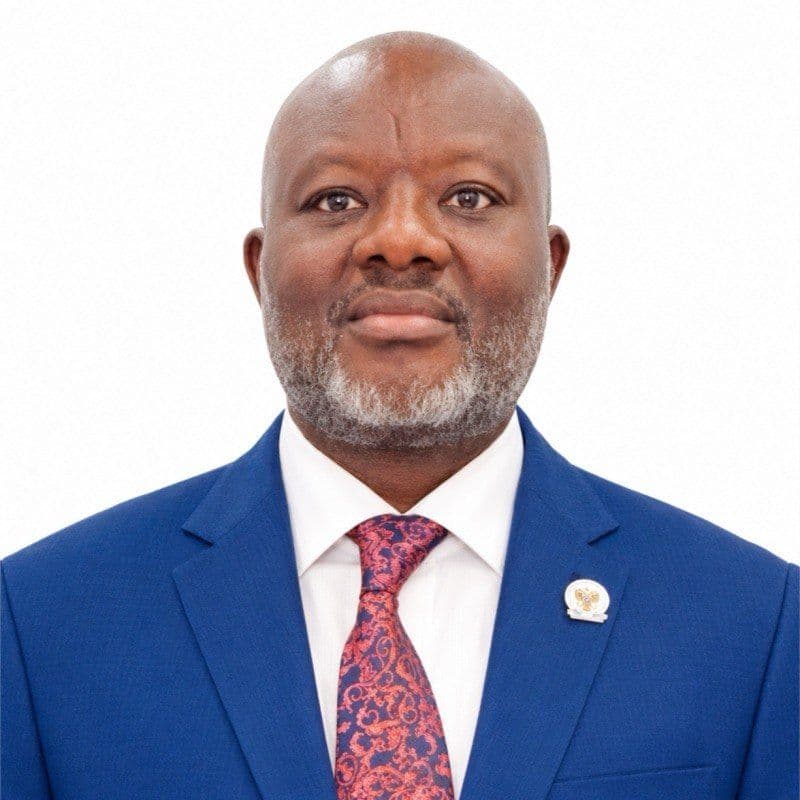
One of the ideas I emphasise in my new book, Winning with Money: Practical Strategies for Building Wealth and Financial Freedom, is simple but powerful: financial planning is not about being rich; it is about being intentional.
Too many people postpone taking control of their finances because they believe they need to earn more first. They tell themselves, “When my salary increases…”, “When the business becomes more profitable…”, “When I finish paying my debts…”, or “When I have enough money…” But there is a problem with this approach: there will always be a reason to wait.
The truth is that financial planning does not begin when you become wealthy. It begins with what you do with the money you have today. Whether you earn ₦100,000, ₦500,000, ₦2 million or ₦10 million a month, the fundamental questions remain the same: Where is my money going? What are my financial priorities? How much should I spend, save and invest? What am I building for the future? Am I protecting myself against financial shocks? And what will provide for me when my active income stops?
A higher income can certainly make wealth creation easier, but higher income without financial discipline can simply produce a more expensive lifestyle. The real transformation happens when we deliberately convert a portion of today’s income into tomorrow’s security, opportunities and wealth. In simple terms, the journey is to earn, plan, spend wisely, save, invest, protect, grow and repeat.
The objective is not to deprive yourself of today’s needs and enjoyment. It is to ensure that today’s income is also working to create a better tomorrow. You do not have to wait until you are wealthy before you start behaving like someone who is building wealth. Start by understanding where your money goes. Create a spending plan. Build an emergency reserve. Reduce unnecessary debt. Save consistently. Begin investing within your means. Protect what you are building. Then increase the amount you save and invest as your income grows. Small, consistent financial decisions can become significant over time.
Financial planning is also not a one-time exercise. Your income will change. Your family responsibilities will change. Your priorities will change. The economy will change. Your financial plan therefore needs to evolve with you. It is a continuous process of making deliberate choices, reviewing your progress and adjusting your strategy as your circumstances change.
As I write in Winning with Money, “Without a plan, people drift. With a plan, life takes on more direction and peace of mind.” That is why I believe financial success is less about how much you earn and more about what you consistently do with what you earn.
So, here is my challenge to you: don’t ask only, “How much do I earn?” Ask instead, “What is my money doing for me?” Is it simply paying today’s bills? Is it financing a lifestyle you cannot sustain? Is it sitting idle? Or is part of it being deliberately converted into assets, security and future financial freedom? That question can be the beginning of a very different financial future.
This is one of the central messages behind Winning with Money: Practical Strategies for Building Wealth and Financial Freedom. Over the coming weeks, I will be sharing more practical ideas, lessons and insights from Winning with Money and The Nigerian Equity Playbook, covering personal finance, wealth creation, investing and financial independence.
Because financial knowledge becomes valuable when it changes the decisions we make.
If you are ready to become more intentional about your money, I invite you to explore Winning with Money and begin applying the ideas that can help you earn better, manage better, invest wisely and build lasting wealth.
Your financial future is being shaped by what you do with your money today is being shaped by what you do with your money today.